Adapting Classic Betting Approaches to Touchscreen Interfaces in Licensed Gaming Apps Across the Asia-Pacific Region
Écrit par Carlo Hughes · 9/11/2026
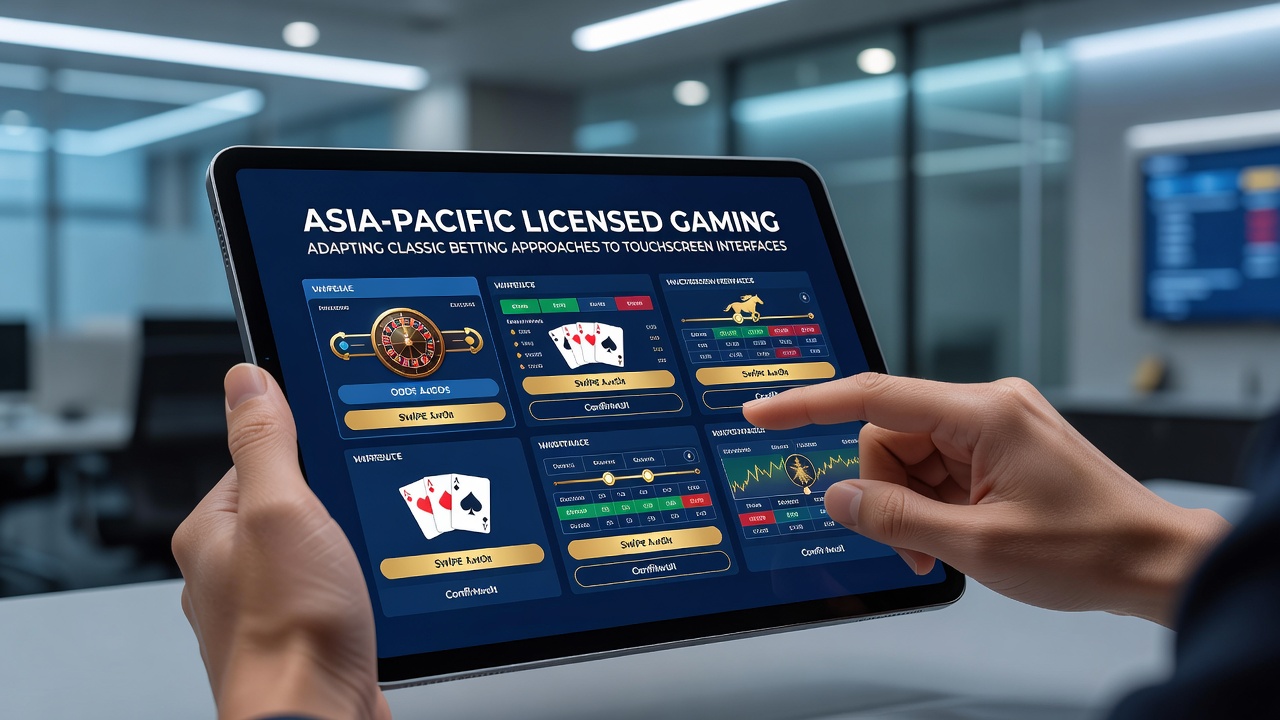
Adapting Classic Betting Approaches to Touchscreen Interfaces in Licensed Gaming Apps Across the Asia-Pacific Region
Classic betting approaches such as progressive systems and pattern-based wagers have moved into licensed gaming apps across the Asia-Pacific region, where touchscreen interfaces require specific modifications to maintain functionality while complying with local regulations. Developers adjust these methods to accommodate swipe gestures, tap sequences, and multi-touch inputs that replace traditional mouse or button controls found in desktop environments.
Regulatory Context in Key Markets
Authorities in Australia, Singapore, and Japan enforce standards that shape how operators integrate these adapted strategies into mobile platforms, and data from November 2026 indicates continued growth in licensed app usage throughout the region. The Victorian Commission for Gambling and Liquor Regulation oversees compliance in one major jurisdiction, while Singapore's Gambling Regulatory Authority sets requirements for interface security and fair play verification. Operators must demonstrate that adapted betting sequences operate without introducing unintended advantages or technical errors during rapid touchscreen interactions.
Research indicates that regulatory bodies review source code and user flow documentation before approving app updates that incorporate classic betting mechanics. Figures from industry reports show that approval timelines average several weeks when systems involve progressive adjustments triggered by touch inputs rather than static selections.
Technical Modifications for Touchscreen Use
Engineers redesign input methods so that sequences like doubling stakes after losses or following numerical progressions respond to finger gestures instead of clicks. In many apps, a long press activates a betting ladder, while a horizontal swipe adjusts stake amounts within predefined limits set by licensing conditions. These changes preserve the mathematical structure of original approaches yet align with mobile hardware capabilities common in Asia-Pacific devices.
Studies from regional technology institutes have documented how multi-touch support allows simultaneous stake placement across multiple table positions, and this feature appears in apps licensed for operation in markets where such functionality meets certification criteria. Developers incorporate visual feedback animations that confirm each touch action, reducing errors that could disrupt planned betting progressions.
Implementation Patterns Observed in Licensed Platforms
Apps operating under Australian state licenses often feature modular interfaces that let users toggle between simplified and advanced views of classic betting sequences. Data collected through app analytics reveals higher engagement with touch-optimized versions during peak evening hours in time zones across Southeast Asia. Similar patterns emerge in platforms licensed for New Zealand operations, where the Department of Internal Affairs requires clear disclosure of how touch inputs translate into betting commands.
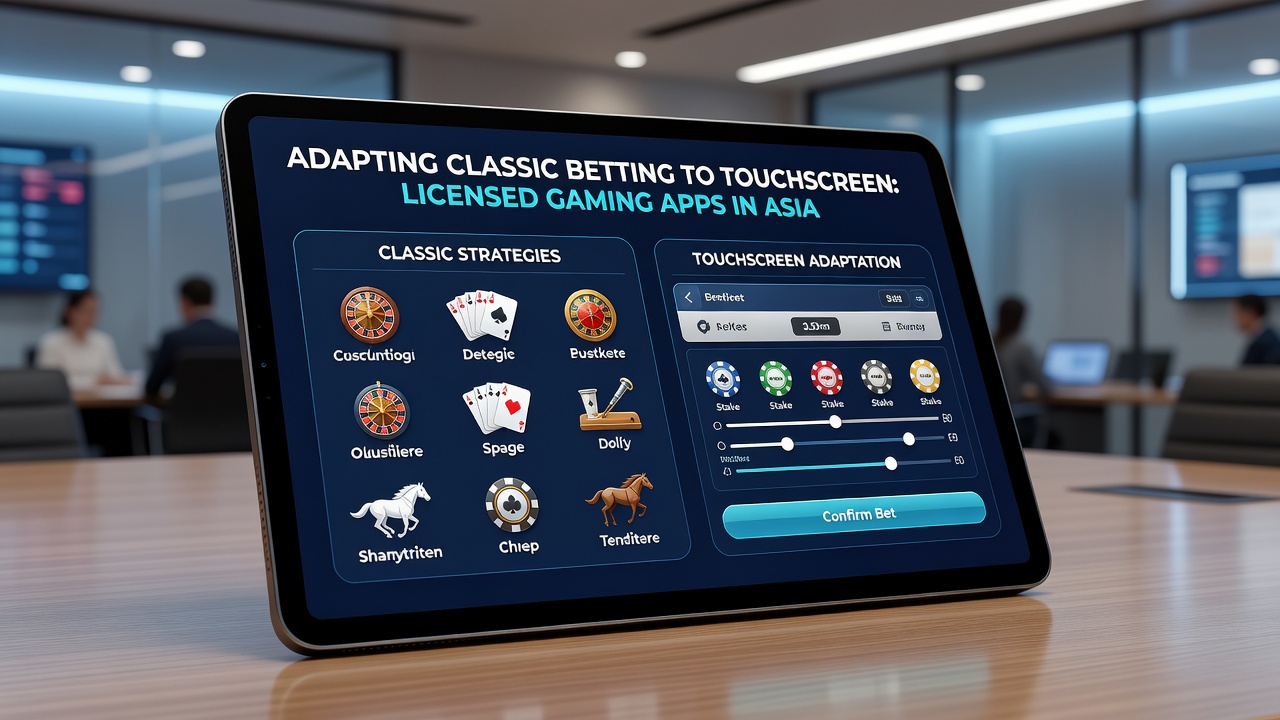
One study released by an academic research group in 2025 examined gesture accuracy rates across different device screen sizes and found that larger displays reduced input mistakes during complex progressive sequences. Licensed operators incorporated these findings by offering adjustable interface scaling options that maintain compliance across varied hardware.
Data Trends and User Interaction Metrics
Analytics platforms tracking licensed apps report that sessions involving adapted classic approaches last longer on average when gesture controls replace repeated taps. Numbers from November 2026 show steady increases in downloads from users in urban centers across the region, with particular growth in markets that updated licensing frameworks to address mobile-specific interface requirements. Industry associations have compiled comparative data indicating that apps with refined touch integration achieve certification renewals at rates comparable to desktop counterparts.
External verification processes now include tests for gesture responsiveness under varying network conditions typical of mobile usage in the Asia-Pacific. These tests confirm that betting adjustments triggered by swipes or pinches execute according to the same probability rules as their non-touch equivalents.
Conclusion
Adaptation of classic betting approaches to touchscreen environments continues to evolve within the constraints of licensed gaming apps serving Asia-Pacific markets. Regulatory oversight, technical refinements, and interaction data together shape how these methods function on mobile devices as of late 2026. Operators and developers maintain alignment with jurisdiction-specific rules while supporting the core logic of established betting systems through gesture-based controls.